



Deciding between Invisalign vs traditional braces can be a significant choice for parents looking to improve their children’s smiles. Both options come with their own sets of benefits and considerations that can impact your child’s dental health and overall experience.
Understanding the Basics of Invisalign and Braces
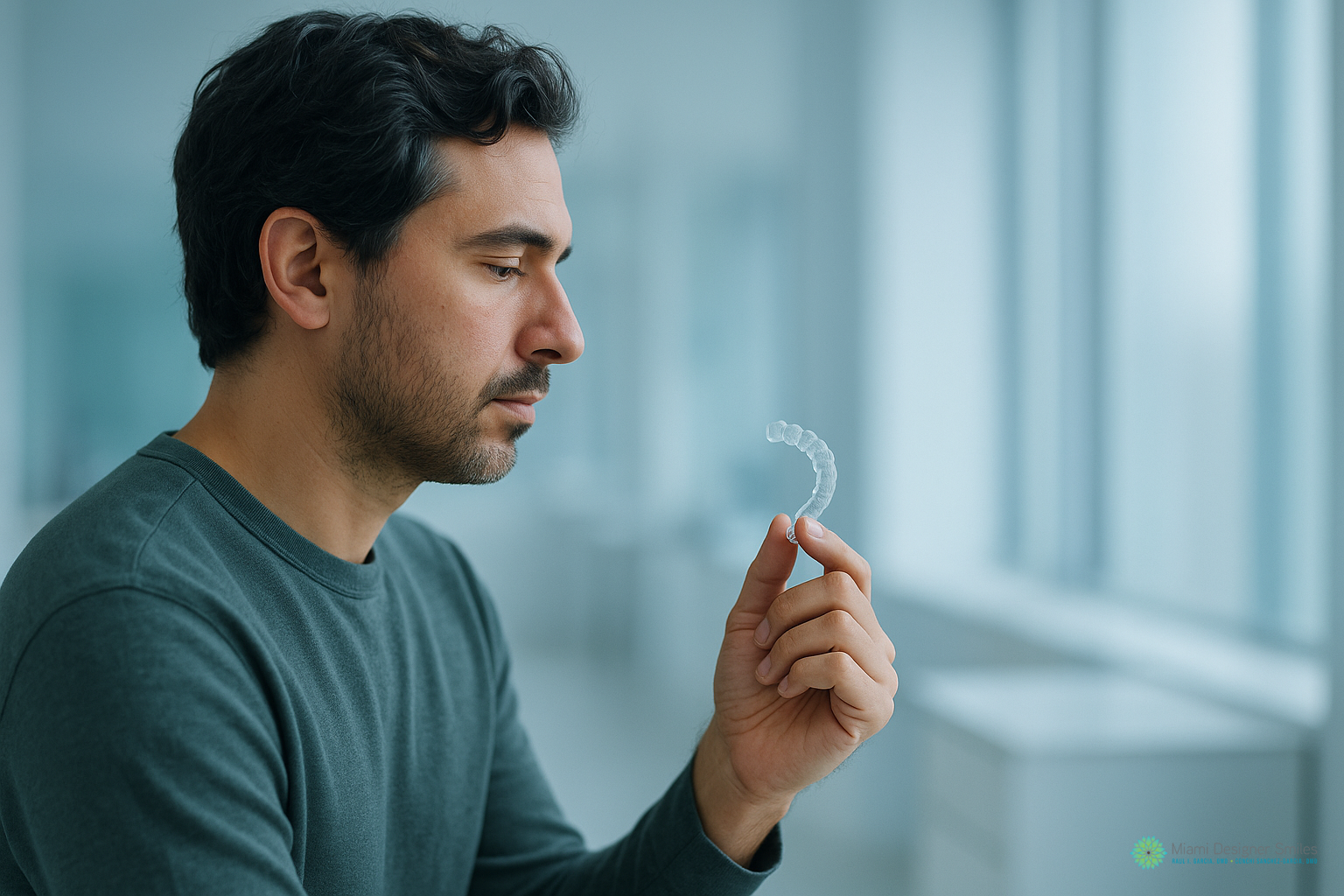
Invisalign is a modern orthodontic treatment that utilizes a series of clear, removable aligners to straighten teeth. These aligners are custom-made using advanced 3D imaging technology, allowing for a tailored fit that gradually shifts teeth into their desired positions.
On the other hand, traditional braces consist of metal brackets and wires that are bonded to the teeth. They work by applying continuous pressure over time to move teeth into alignment. While braces have been a standard orthodontic solution for decades, many parents are now considering the benefits of Invisalign for their children.
Key Differences Between Invisalign and Braces
- Appearance: One of the most noticeable differences is aesthetics. Invisalign aligners are virtually invisible, making them a popular choice for teens and adults who prefer a discreet option. Traditional braces, however, are more visible due to their metal components.
- Comfort: Invisalign aligners are made from smooth plastic, which can be more comfortable than the metal brackets and wires of traditional braces. Patients with braces may experience irritation or discomfort from the metal components.
- Maintenance: Invisalign aligners are removable, making it easier for patients to maintain oral hygiene. They can brush and floss without any obstructions. Braces require careful cleaning to avoid plaque buildup around the brackets.
- Treatment Duration: Treatment times can vary. Invisalign may offer faster results for some cases, typically ranging from 6 months to 2 years, while traditional braces may take longer, often between 1 to 3 years.
Benefits of Choosing Invisalign
There are several advantages to choosing Invisalign for your child:
- Discretion: The clear aligners are less noticeable than braces, which can boost your child’s confidence during treatment.
- Comfort: Without metal wires and brackets, the aligners are less likely to cause mouth sores or discomfort.
- Flexibility: The ability to remove the aligners allows children to eat their favorite foods without restrictions and maintain better oral hygiene.
- Fewer Office Visits: Invisalign typically requires fewer check-ups than braces, as adjustments are made less frequently.
Considerations for Traditional Braces
While Invisalign has many benefits, traditional braces also have their place in orthodontics:
- Complex Cases: Braces may be more effective for complex orthodontic issues, including severe misalignments and bite problems.
- Cost: Depending on the treatment plan, traditional braces can sometimes be less expensive than Invisalign.
Making the Right Choice for Your Child
Choosing between Invisalign vs traditional braces ultimately depends on your child’s specific needs and preferences. Consider factors such as their age, the severity of their orthodontic issues, and their lifestyle. Consulting with an experienced orthodontist can provide valuable insights and help you make an informed decision.
Consultation at Miami Designer Smiles
At Miami Designer Smiles, Dr. Raul Garcia and Dr. Concepcion Sanchez-Garcia offer personalized consultations to discuss the best orthodontic options for your child. Whether you choose Invisalign or traditional braces, our team is dedicated to ensuring a positive experience and achieving excellent results.