



The best TMJ specialist in Miami can help you identify and manage the complex symptoms associated with temporomandibular joint disorders (TMJD). Understanding these signs is crucial to seeking timely treatment and relief.
What is TMJ Disorder?
TMJ disorder refers to a range of conditions affecting the temporomandibular joint, which connects your jawbone to your skull. This joint allows you to perform essential functions like chewing, speaking, and yawning. However, when the joint becomes misaligned or damaged, it can lead to significant pain and discomfort.
Common Signs and Symptoms
Identifying TMJ disorders early can prevent further complications. Here are some signs and symptoms to watch for:
- Pain in the Jaw: This is often the most noticeable symptom. You may experience pain in one or both sides of your jaw, especially when chewing or speaking.
- Clicking or Popping Sounds: If you hear a clicking or popping noise when you open or close your mouth, it could indicate joint dysfunction.
- Limited Jaw Movement: Difficulty opening your mouth wide or having a locked jaw can signal TMJ issues.
- Headaches: Frequent headaches or migraines may stem from jaw tension related to TMJ disorders.
- Ear Pain: You might feel pain in or around your ear, which can be mistaken for an ear infection.
- Neck and Shoulder Pain: TMJ disorders can lead to tension and pain in your neck and shoulders due to muscle strain.
- Facial Pain: Discomfort in the face, especially around the jaw and temples, is common in TMJ patients.
- Teeth Grinding: Known as bruxism, this is often an unconscious response to stress, which can exacerbate TMJ symptoms.
- Changes in Bite: A shift in how your teeth come together can indicate underlying TMJ problems.
Understanding the Causes
Several factors can contribute to the development of TMJ disorders:
- Injury: Trauma to the jaw or head can affect the joint’s alignment.
- Arthritis: Conditions like osteoarthritis can lead to inflammation and pain in the joint.
- Jaw Misalignment: An unbalanced bite from genetics or dental work can put stress on the TMJ.
- Stress: High stress levels can lead to teeth grinding or jaw clenching, increasing the risk of TMJ disorders.
- Dental Issues: Problems such as missing teeth or uneven teeth can affect how your jaw functions.
Diagnosis
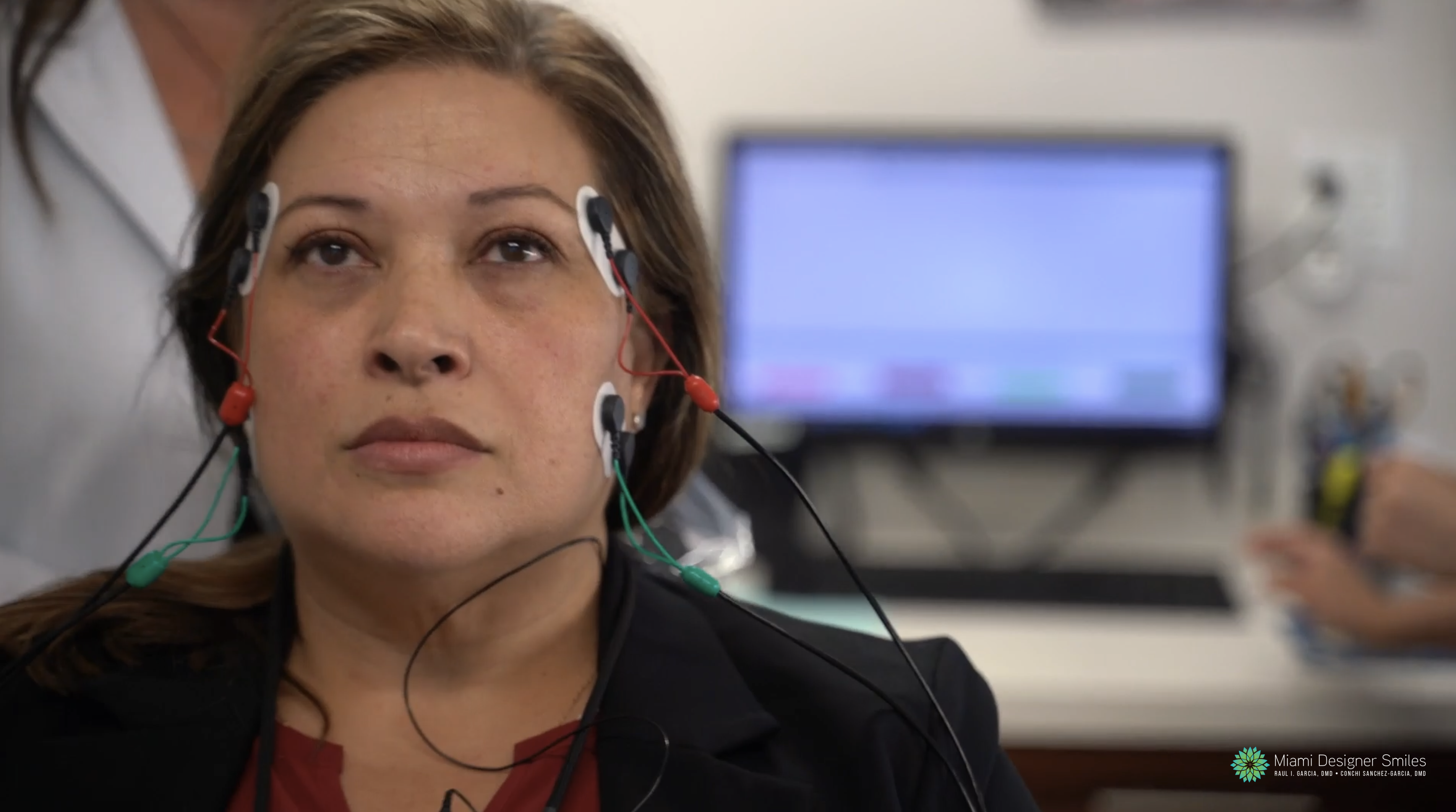
If you suspect you have a TMJ disorder, consulting with a specialist is vital. At Miami Designer Smiles, Dr. Concepcion Sanchez-Garcia and Dr. Raul Garcia utilize comprehensive assessments to diagnose TMJ disorders accurately. This may include:
- Physical Examination: The dentist will check for pain in the jaw and listen for sounds during movement.
- X-rays or MRI: Imaging tests may help visualize the joint and surrounding structures.
- Medical History Review: Understanding your medical history and symptoms is crucial for an accurate diagnosis.
Treatment Options
Once diagnosed, various treatment options are available, tailored to the severity of your symptoms:
- Conservative Treatments: These may include pain relievers, muscle relaxants, and physical therapy to reduce inflammation and improve jaw function.
- Orthodontic Solutions: If misalignment is a contributing factor, orthodontic treatments like Controlled Arch Braces may be recommended to correct bite issues.
- Injections: Corticosteroid injections can reduce inflammation in the joint.
- Surgery: In severe cases, surgical options may be considered to repair or replace the TMJ.
- Neuromuscular Dentistry: This approach focuses on the relationship between the jaw, muscles, and the nervous system, aiming to restore proper function.
Managing TMJ Disorder at Home
There are also several strategies you can implement at home to manage TMJ symptoms:
- Heat and Cold Therapy: Applying heat or cold packs can provide relief from pain and inflammation.
- Soft Diet: Eating soft foods can reduce strain on the jaw while it heals.
- Stress Management: Techniques such as yoga, meditation, or deep breathing can help reduce stress and prevent teeth grinding.
- Jaw Exercises: Gentle stretching and strengthening exercises can improve jaw mobility.
Conclusion
Understanding the signs and symptoms of TMJ disorders can empower you to seek the right treatment. If you experience any of these symptoms, reach out to the best TMJ specialist in Miami at Miami Designer Smiles for a thorough evaluation and personalized care plan. With the right approach, you can reclaim your comfort and quality of life.
For more information about TMJ disorders and treatment options, visit TMJ and Neuromuscular Dentistry or contact us directly at 305-595-4616.