



Orthodontics for children plays a vital role in ensuring not only a beautiful smile but also overall dental health. Early evaluations can identify potential issues before they become significant problems. By assessing a child’s dental and facial development, orthodontists can recommend timely interventions that promote optimal oral health.
The Importance of Early Orthodontic Evaluations
Many parents wonder when to schedule their child’s first orthodontic visit. The American Association of Orthodontists recommends that children have their first evaluation by age seven. At this age, orthodontists can assess the growth of the jaw and incoming adult teeth, providing a clearer picture of the child’s dental future.
Key Benefits of Early Evaluation
- Identifying Problems Early: Early evaluations can detect alignment issues, bite discrepancies, and other concerns that may not be visible to parents.
- Creating a Treatment Plan: Based on the evaluation, orthodontists can develop a customized treatment plan that can include early intervention strategies, if necessary.
- Preventing More Extensive Treatment: Addressing issues early can minimize the need for more complex treatments later, often leading to shorter treatment times and reduced costs.
- Enhancing Self-Esteem: A healthy, straight smile can boost a child’s confidence and self-image, affecting their social interactions and overall well-being.
Common Orthodontic Issues Identified Early
During the initial evaluation, orthodontists look for various issues that can affect a child’s oral health:
- Overbites and Underbites: These occur when the upper or lower teeth protrude significantly, leading to potential jaw problems.
- Crowding: Insufficient space in the mouth can lead to misaligned teeth, impacting both aesthetics and oral hygiene.
- Crossbites: This occurs when the upper teeth sit inside the lower teeth, which can cause wear and tear on the teeth.
- Open Bites: This is when the upper and lower teeth do not meet when the mouth is closed, often caused by thumb-sucking or prolonged pacifier use.
Timing of Treatment
Not all issues require immediate treatment. In many cases, orthodontists may recommend monitoring a child’s development until the appropriate time for treatment. This approach ensures that interventions are both timely and effective.
Two-Phase Treatment Approach
For some children, a two-phase treatment approach may be suggested. This involves:
- Phase One: Early intervention, typically between ages 7 and 10, to address specific issues such as jaw growth discrepancies and severe crowding.
- Phase Two: Comprehensive treatment with braces or clear aligners once the majority of adult teeth have come in, usually around ages 11 to 14.
What to Expect During the Evaluation
During your child’s orthodontic evaluation at Miami Designer Smiles, expect a comprehensive assessment that includes:
- X-rays: To evaluate the position of teeth, roots, and jaw structure.
- Photographs: To capture the current state of your child’s smile.
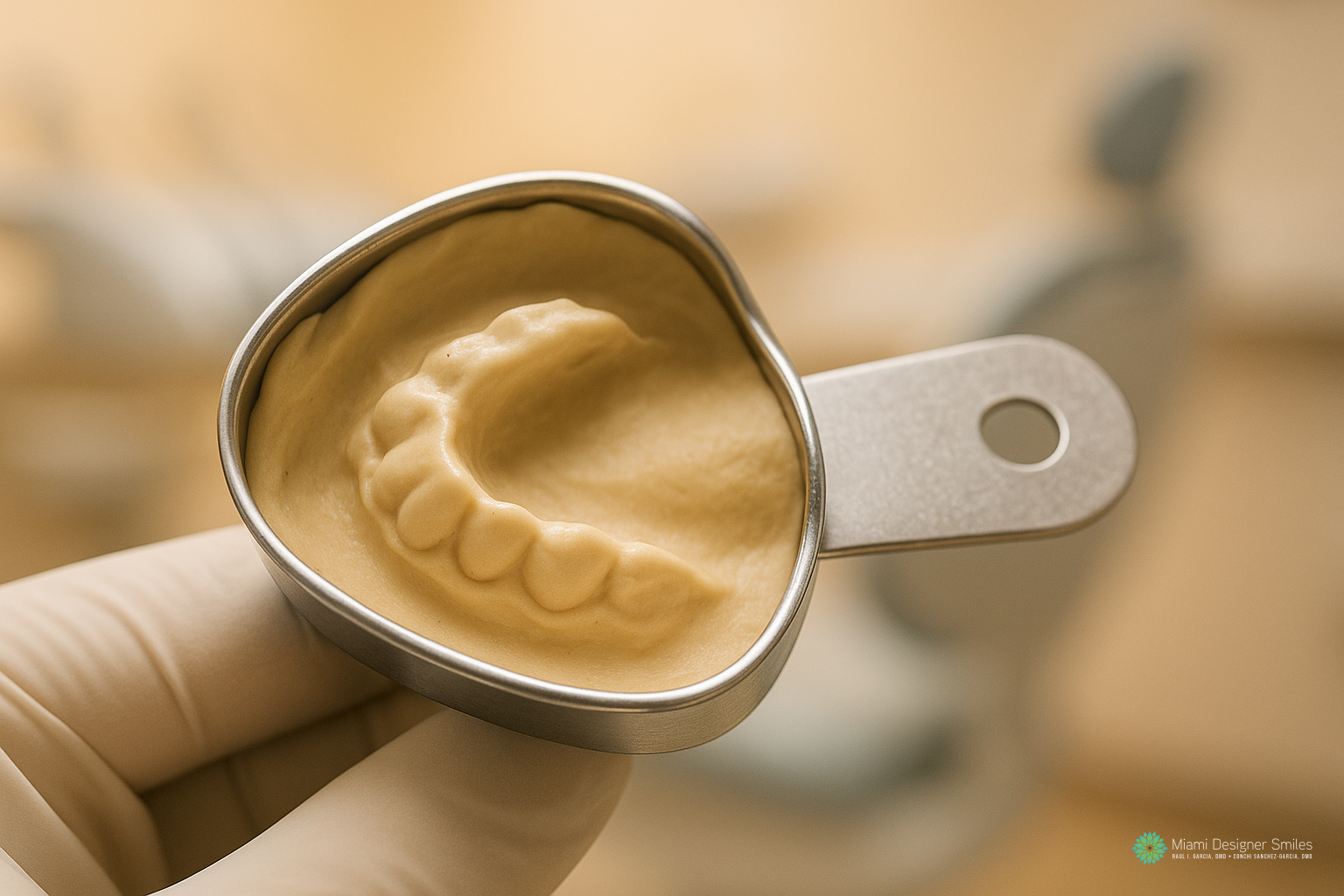
- Dental Impressions: To create a model of your child’s teeth for precise planning of treatment.
Choosing the Right Orthodontist
Finding a qualified orthodontist is essential for your child’s treatment journey. Look for an orthodontist who is:
- Experienced: Ensure they have a strong track record in treating children.
- Comprehensive: An orthodontist who addresses both aesthetic and health concerns will provide the best outcomes.
- Compassionate: Choose a provider who makes your child feel comfortable and understood.
Final Thoughts
Early orthodontic evaluation is crucial for children’s dental health. By scheduling an evaluation at Miami Designer Smiles, you can help ensure that your child receives the care they need for a healthy smile and optimal oral health. Don’t wait until problems arise—take proactive steps today for your child’s future dental health.
Contact Us
Ready to schedule an evaluation? Call Miami Designer Smiles at 305-595-4616 or visit us at 9301 SW 56th St Suite A, Miami, FL 33165 to learn more about orthodontics for children.